What Is a TPMS Sensor, How Does It Work and How Long Does It Last?
20 November 2026
Tyre pressure plays an important role in vehicle safety, performance and efficiency, yet it's something many drivers only think about when a warning light appears on their dashboard. That's where Tyre Pressure Monitoring Systems (TPMS) come in, helping drivers identify potential tyre pressure problems before they become more serious.
At Bartec Auto ID, we're helping motorists and automotive professionals better understand this essential vehicle technology. Through two informative videos created in collaboration with an automotive content creator, we're answering two common questions: What is a TPMS sensor and how does it work? And how long do TPMS sensors actually last?
From understanding tyre pressure warnings to recognising when a sensor may need replacing, here's what you need to know.
What Is a TPMS Sensor?
A TPMS sensor is a small electronic device designed to monitor tyre pressure and communicate information to the vehicle.
In a direct TPMS system, sensors are typically fitted inside each wheel, often attached to the tyre valve. These battery-powered sensors measure tyre pressure and, on many systems, temperature, transmitting information wirelessly to the vehicle's electronic control system.
When tyre pressure falls below the system's specified threshold, a warning indicator appears on the dashboard, alerting the driver to a potential problem.
It's worth remembering that not all vehicles use physical tyre pressure sensors. Indirect TPMS uses information from existing vehicle systems, such as wheel-speed sensors, to identify changes that may indicate underinflated tyres.
Watch: What Is a TPMS Sensor and How Does It Work?
In our first video, our automotive content creator explains what a TPMS sensor is, where it's located and how it helps drivers monitor tyre pressure.
Watch on Instagram: What Is a TPMS Sensor and How Does It Work?
Why Is TPMS Important for Tyre Safety?
Maintaining the correct tyre pressure is essential for safe and efficient driving. Underinflated tyres can affect several aspects of vehicle performance, sometimes without the driver immediately noticing.
Correct tyre pressures help support:
- Road safety: Properly inflated tyres help maintain grip, braking performance and vehicle stability.
- Fuel efficiency: Underinflated tyres increase rolling resistance, potentially leading to higher fuel consumption.
- Tyre lifespan: Maintaining recommended pressures helps reduce uneven and premature tyre wear.
- Vehicle handling: Correct inflation supports more predictable steering and handling, particularly in challenging road conditions.
TPMS provides an important early warning when tyre pressure falls outside the system's expected operating range. However, it doesn't replace regular manual tyre pressure checks.
Drivers should continue checking their tyres when cold, using the pressures recommended by the vehicle manufacturer.
How Long Do TPMS Sensors Last?
One of the most common questions about TPMS technology concerns sensor lifespan.
Original equipment manufacturer (OEM) direct TPMS sensors typically last around five to ten years, with seven to eight years often used as a general estimate. However, actual lifespan varies depending on the sensor design, vehicle usage, environmental conditions and other operating factors.
The main limitation is usually the sensor's internal battery.
Most direct TPMS sensors contain a sealed, non-replaceable lithium battery designed to power the sensor over several years. Many systems use power-saving features to conserve battery life when the vehicle isn't being driven.
Once the battery reaches the end of its service life, the complete sensor generally needs to be replaced.
Watch: How Long Do TPMS Sensors Last?
Our second video explores the typical lifespan of OEM TPMS sensors, why their batteries eventually fail and how replacement sensors can help workshops keep vehicles operating correctly.
Watch on Instagram: How Long Do TPMS Sensors Last?
What Happens When a TPMS Sensor Fails?
When a TPMS sensor stops communicating correctly with the vehicle, the system may display a malfunction warning.
A faulty or depleted sensor battery is one possible cause, but TPMS warnings can also result from low tyre pressure, damaged components, communication problems or incorrect sensor programming.
For this reason, it's important to diagnose the issue rather than automatically assuming the sensor needs replacing.
Professional TPMS diagnostic tools allow technicians to check sensor operation, retrieve available sensor information and identify potential faults.
If a replacement sensor is required, technicians must ensure that the correct sensor is selected, programmed where necessary and installed in accordance with the vehicle manufacturer's requirements.
The appropriate TPMS relearn procedure may also need to be completed so that the vehicle recognises the replacement sensor.
Replacing TPMS Sensors with Bartec Rite-Sensor®
For garages, tyre specialists and automotive workshops, having reliable replacement TPMS sensors available is an important part of efficient vehicle servicing.
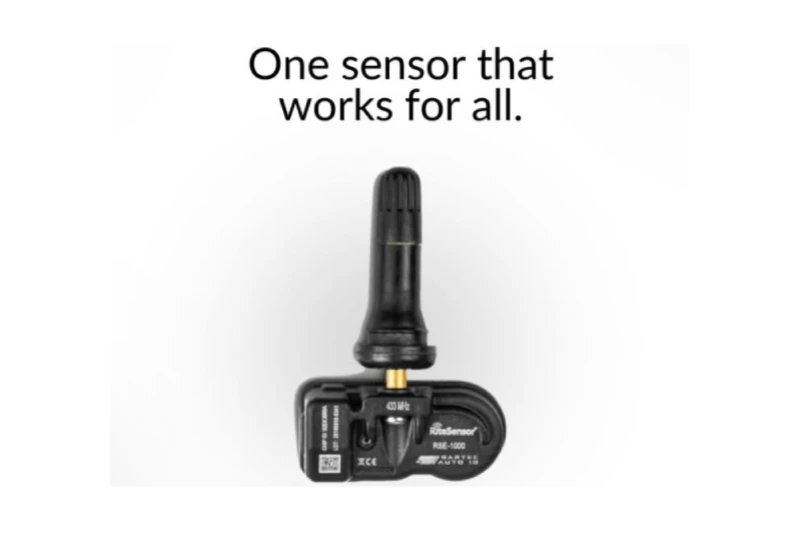
Bartec Auto ID Rite-Sensor® is a programmable aftermarket TPMS replacement sensor designed to support a wide range of vehicle applications.
Rather than keeping numerous different original equipment sensor part numbers in stock, workshops can use compatible programmable sensors to help simplify stock management and respond efficiently to customer requirements.
Rite-Sensor® is also supported by a limited lifetime warranty against defects in materials and manufacturing under normal use, subject to the applicable warranty terms.
The sensor valve carries a separate 24-month warranty, and the valve must be serviced when the tyre is removed to maintain the relevant sensor warranty conditions.
It's important to distinguish this limited warranty from battery lifespan, as a lifetime warranty against specified defects does not mean the sensor battery will last indefinitely.
Discover more about the Bartec Rite-Sensor® RS1000 TPMS replacement sensor.
Supporting Workshops with Bartec TPMS Diagnostic Tools
Effective TPMS servicing involves more than simply replacing a sensor.
Technicians need to identify the vehicle's TPMS system, test existing sensors, programme compatible replacements and complete the correct relearn procedures.
Bartec Auto ID provides a range of professional TPMS diagnostic tools, including the TECH600, designed to support technicians throughout the TPMS servicing process.
Keeping diagnostic equipment updated with the latest software and vehicle coverage is also important, particularly as new vehicle models and TPMS applications enter the market.
Bartec's TPMS Desktop software provides a convenient way to manage supported tools, install software updates and access vehicle and TPMS service information.
By combining accurate diagnostics, up-to-date vehicle coverage and readily available replacement sensors, workshops can provide a more efficient and reliable TPMS service.
Understanding TPMS Helps Keep Drivers Safe
Whether you're a motorist responding to a dashboard warning light or a technician diagnosing a faulty sensor, understanding how TPMS works is an important part of tyre maintenance.
From monitoring tyre pressures to recognising the signs of sensor battery failure, regular checks and professional diagnosis help ensure TPMS systems continue operating as intended.
At Bartec Auto ID, we're committed to supporting automotive professionals with the diagnostic equipment, replacement sensors and technical information needed for effective TPMS servicing.
To discover how Bartec Rite-Sensor® and TECH600 can support your workshop, explore our range of TPMS solutions.
For more information about Bartec Auto ID, including our range of TPMS sensors and TPMS diagnostic tools, visit www.bartecautoid.com, or browse and purchase programmable TPMS sensors from our online store.
#BartecAutoID #TheTPMSExperts #TPMS #TPMSSensors #RiteSensor #TyrePressureMonitoring #TyreSafety #TPMSDiagnostics #TPMSTechnology #TPMSSensorReplacement #AutomotiveAftermarket #WorkshopEfficiency
Other Articles
Get Your Workshop Autumn-Ready With The Bartec TECH600 TPMS Tool
19 November 2026
Software Version 8.4 Is Now Available For Your TPMS Tools
12 November 2026
Leaves Are Falling But Your Rite-Sensor® Stock Does Not Have To
09 November 2026
2026 Follow the Line & Discover The Importance Of TPMS
07 November 2026
Bartec Auto ID Exhibiting At AAG Expo 26 in Liverpool
05 November 2026
Bartec TPMS Showcases the Future of TPMS Technology at SEMA 2026
03 November 2026
Supporting Trustyres For Over 10 Years With TPMS Tools & Sensors
02 November 2026
Dont Ignore The TPMS Warning Light This Winter
01 November 2026
Bartec Auto ID Tech Tips For Highline Vs Lowline TPMS
27 October 2026
TPMS Sensors For A Wide Range Of Vehicle Applications
26 October 2026