TPMS Sensors: What They Are, How They Work & When To Replace Them
29 September 2026
Tyre Pressure Monitoring Systems (TPMS) are an established part of modern vehicle safety and servicing, helping drivers identify when tyre pressure falls below the required level. At the centre of a direct TPMS are sensors that monitor conditions at each wheel and communicate information to the vehicle.
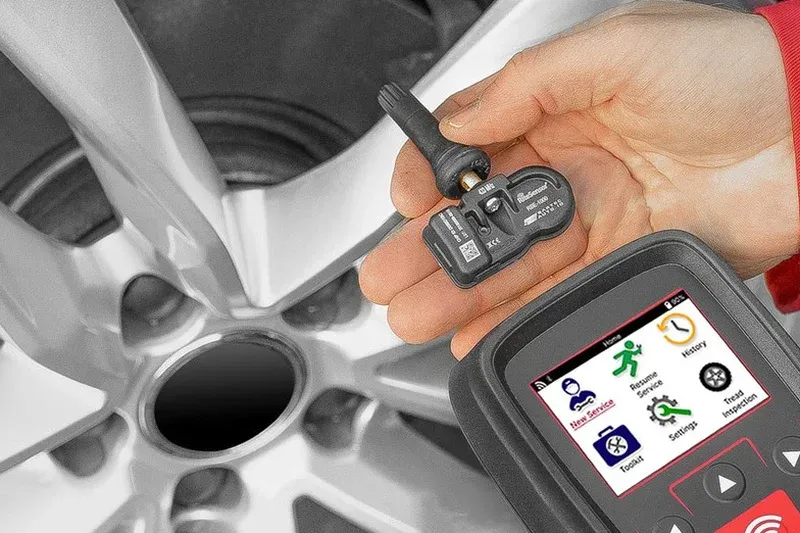
Bartec Auto ID has decades of experience in TPMS technology and manufactures programmable TPMS sensors for professional automotive applications. This guide explains what TPMS sensors are, how they work, why they fail, when replacement may be required and the difference between sensor programming and vehicle relearn.
What Is A TPMS Sensor & How Does It Work?
A TPMS sensor is an electronic component used by a direct Tyre Pressure Monitoring System to monitor tyre pressure. It is typically mounted inside the wheel as part of, or attached to, the valve assembly.
Depending on the vehicle and sensor design, a TPMS sensor can monitor and transmit information including tyre pressure, temperature, its unique sensor ID and battery condition. This information is transmitted wirelessly to the vehicle's TPMS receiver or control system.
The vehicle uses this information to monitor tyre pressure and alert the driver when a problem is detected. Depending on the vehicle, this may be through a TPMS warning light or a display showing individual tyre pressures.
Direct vs Indirect TPMS
Direct TPMS uses physical sensors at the wheels to measure tyre pressure and transmit information to the vehicle. These are the sensors discussed throughout this guide.
Indirect TPMS does not use the same type of pressure sensor inside each wheel. Instead, it uses other vehicle data to detect changes that may indicate an under-inflated tyre.
How Long Do TPMS Sensors Last & Why Do They Fail?
TPMS sensors are designed to operate for years, but they are not lifetime components. One of the main factors affecting their lifespan is the internal battery.
TPMS sensor batteries typically last around 5–10 years, although actual service life varies depending on factors such as driving habits, temperature and sensor quality. Because the battery is sealed inside the sensor, battery failure will normally require replacement of the sensor.
Sensors can also fail because of internal faults or physical damage. Signs of a potential problem can include a sensor that fails to respond during testing, communicates intermittently or has visible damage or corrosion.
When Should A TPMS Sensor Be Replaced?
A TPMS sensor should be considered for replacement when testing confirms it is no longer operating reliably, its battery has reached the end of its service life, or the sensor or valve assembly has suffered significant damage.
A TPMS warning light does not automatically mean a sensor needs replacing. Correct diagnosis is important, and testing the sensors before tyre removal can help identify the cause of the problem before replacement work begins.
For more information, read our guide on when you should replace a TPMS sensor.
What Are Programmable And Aftermarket TPMS Sensors?
When an original TPMS sensor fails, a suitable aftermarket replacement TPMS sensor can provide an alternative to fitting an OE replacement sensor.
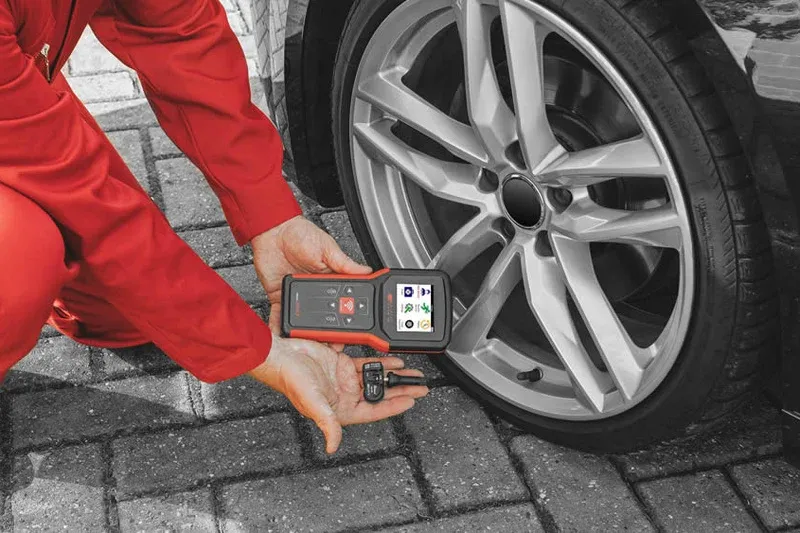
Programmable and universal TPMS sensors can support multiple compatible vehicle applications. Using suitable TPMS equipment, the replacement sensor is configured for the vehicle being serviced, which may include creating a new sensor ID or copying information from the original sensor.
For professional workshops, this can reduce the number of individual sensor part numbers that need to be held in stock while still providing coverage across a wide range of compatible vehicles.
Bartec's Rite-Sensor® provides a universal programmable replacement solution for compatible direct TPMS applications. Explore Bartec's range of aftermarket and programmable TPMS sensors.
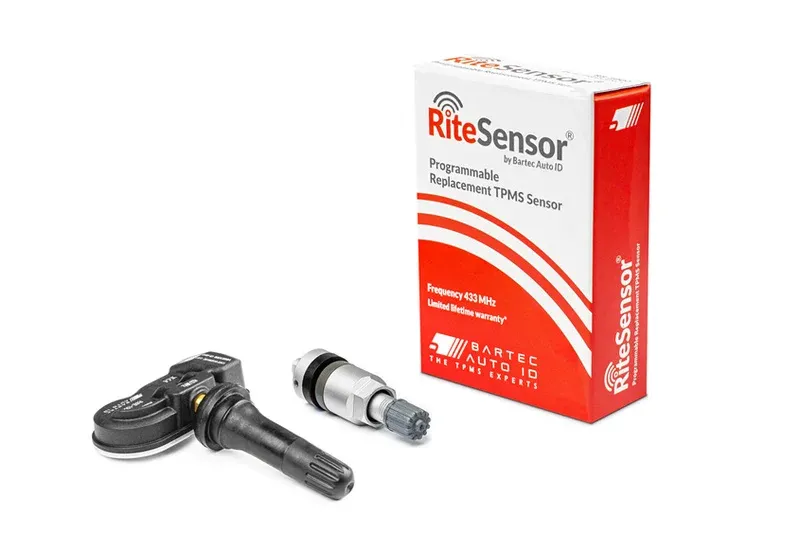
Universal does not mean one sensor fits every vehicle. Vehicle coverage and sensor compatibility must always be checked before replacement.
TPMS Sensor Programming vs Vehicle Relearn
Sensor programming and vehicle relearn are related parts of TPMS replacement, but they are not the same process.
Sensor programming configures a compatible replacement sensor for the required vehicle application. Depending on the replacement procedure, this may include creating a new sensor ID or copying the ID from the sensor being replaced.
Vehicle relearn enables the vehicle to recognise the relevant TPMS sensor ID or IDs following sensor replacement or service. Depending on the vehicle, this can involve a stationary procedure, OBD connection or an auto-learn process.
Where a replacement sensor successfully uses an existing ID already recognised by the vehicle, a separate relearn may not be required for some vehicle applications. If a new ID is introduced, the appropriate vehicle relearn procedure may be required.
Technicians should therefore follow the correct procedure for the vehicle and replacement sensor rather than assuming that programming a sensor automatically completes the vehicle relearn.
Find Out More About Bartec TPMS
For more information about Bartec Auto ID and to discover the full range of Bartec Auto ID TPMS Tools & Aftermarket Sensors, visit www.bartecautoid.com.
#TPMS #TPMSSensors #TyrePressureMonitoring #TyrePressureSensors #ReplacementTPMSSensors #AftermarketTPMSSensors #ProgrammableTPMSSensors #UniversalTPMSSensors #TPMSSensorReplacement #TPMSSensorProgramming #TPMSRelearn #BartecAutoID
Other Articles
Keeping Vehicles Safe With One TPMS Relearn At A Time
19 October 2026
Tyre Safety Month: Stay Safe, Stay Informed, Check Your TPMS
13 October 2026
Tell Us Why We Are Trusted By TPMS Professionals On Trustpilot
12 October 2026
A Decade Of Trust From RL Services Using Bartec Rite-Sensor® & TECH600 TPMS Tools
09 October 2026
Did You Know That October Is UK Tyre Safety Month
07 October 2026
Bartec Tech Tips For Cold Weather & TPMS Sensors This Winter
05 October 2026
Techfest 2026 At Wembley Was Huge For TPMS In The UK
02 October 2026
Where To Buy TPMS Tools & Sensors In The UK
22 September 2026
A Fantastic Week at TechFest Wembley 2026
21 September 2026
Visit Bartec Auto ID At Techfest Wembley 2026
17 September 2026