Bartec Tech Tip For When You Should Replace A TPMS Sensor
03 August 2026
TPMS sensors do not last forever. Knowing when to replace a sensor helps avoid warning lights, repeat visits and wasted diagnostic time. Most sensor failures are caused by battery depletion, internal faults or physical damage. As sensors age, battery output drops and communication with the vehicle becomes unreliable.
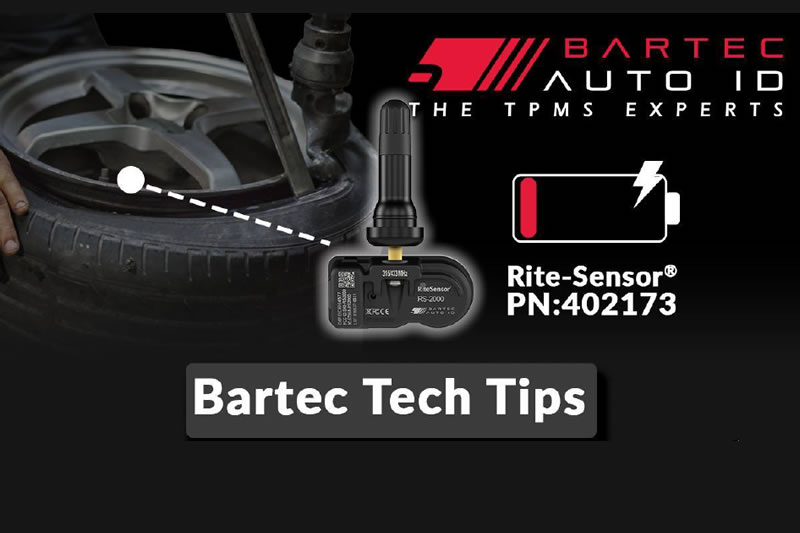
A Bartec Tool will often indicate when a sensor is nearing the end of its service life. Sensors that do not respond, drop in and out during testing, show weak or inconsistent signals, or fail relearn procedures after correct programming should be considered for replacement. Physical condition also matters. Sensors with damaged bodies, cracked housings or corroded valve stems are more likely to fail, especially after tyre removal and refitting. Checking sensor condition before starting tyre work allows replacement to be discussed early, rather than after a warning light appears. This keeps the service controlled and avoids avoidable comebacks.
Using your Bartec Tool to test before touching the tyre turns sensor replacement into a planned part of the job, not a surprise at the end. It protects workshop time, customer confidence and overall service efficiency. For further guidance on sensor testing or replacement options, please contact us.
For more information about Bartec Auto ID and to discover the full range of Bartec Auto ID TPMS Tools & Aftermarket Sensors visit www.bartecautoid.com.
#TECH600 #BartecAutoID #AftermarketTools #VehicleDiagnostics #TyreService #TPMSSolutions #TPMSTools #TPMSDiagnosticTools #TPMSSensors #TyreSensors #RiteSensor #TPMSSoftware
Other Articles
TECH600 TPMS Tool Offering Fast & Reliable Professional Results
21 October 2026
Keeping Vehicles Safe With One TPMS Relearn At A Time
19 October 2026
Tyre Safety Month: Stay Safe, Stay Informed, Check Your TPMS
13 October 2026
Tell Us Why We Are Trusted By TPMS Professionals On Trustpilot
12 October 2026
A Decade Of Trust From RL Services Using Bartec Rite-Sensor® & TECH600 TPMS Tools
09 October 2026
Did You Know That October Is UK Tyre Safety Month
07 October 2026
Bartec Tech Tips For Cold Weather & TPMS Sensors This Winter
05 October 2026
Techfest 2026 At Wembley Was Huge For TPMS In The UK
02 October 2026
TPMS Sensors: What They Are, How They Work & When To Replace Them
29 September 2026
Where To Buy TPMS Tools & Sensors In The UK
22 September 2026