2026 Follow the Line & Discover The Importance Of TPMS
07 November 2026
From tyre pressure checks to replacement sensors, keeping your TPMS in check is essential for safer driving. At Bartec Auto ID, we're making tyre pressure monitoring a little more interactive with our latest Pick an Emoji and Follow the Line challenge.
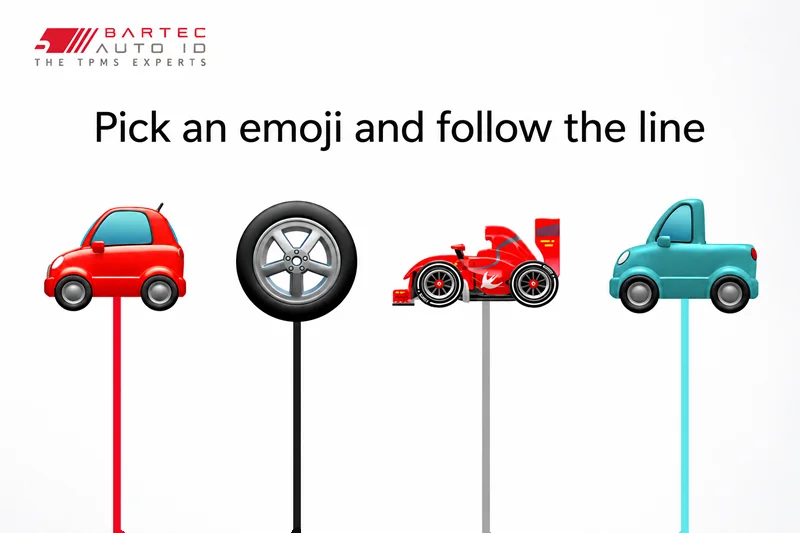
Whether you're driving a small city car, a family vehicle or something a little sportier, one thing remains the same: maintaining the correct tyre pressure is essential for vehicle safety, performance and efficiency.
Our latest interactive challenge highlights four important aspects of tyre pressure monitoring, reminding motorists and automotive professionals why Tyre Pressure Monitoring Systems (TPMS) play such a vital role in modern vehicles.
Why Is TPMS So Important?
TPMS is designed to alert drivers when tyre pressure falls below the recommended level, helping them identify potential problems before they become more serious.
Driving with incorrectly inflated tyres can affect several aspects of vehicle performance, including:
- Road safety – Correct tyre pressures help maintain grip, stability and braking performance.
- Fuel efficiency – Underinflated tyres increase rolling resistance, potentially leading to higher fuel consumption.
- Tyre lifespan – Maintaining the recommended pressures helps prevent uneven and premature tyre wear.
- Vehicle handling – Properly inflated tyres contribute to more predictable handling, particularly in challenging road conditions.
While TPMS provides an important warning system, it doesn't replace regular manual tyre pressure checks.
Four Key Steps to Better TPMS Management
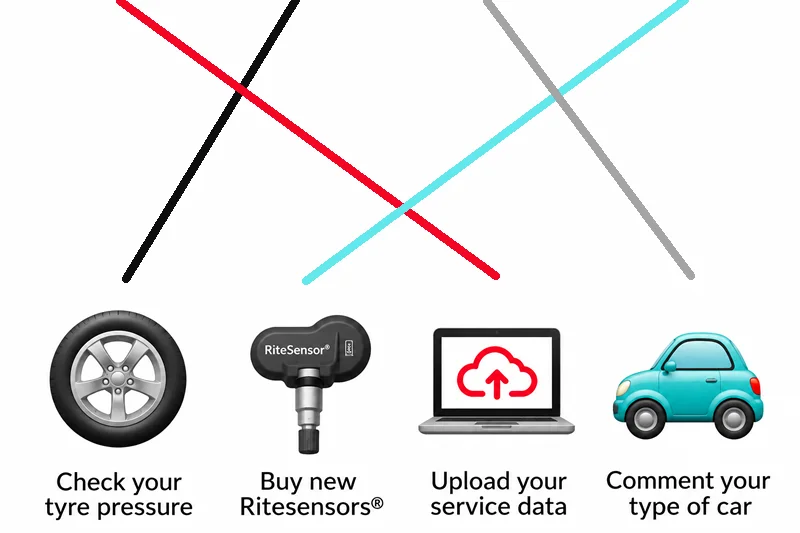
Our Follow the Line challenge focuses on four simple but important actions that help motorists and workshops stay on top of tyre pressure monitoring.
1. Check Your Tyre Pressure
Regular tyre pressure checks are one of the simplest ways to maintain vehicle safety.
Tyre pressures should be checked when the tyres are cold, using the vehicle manufacturer's recommended settings. This becomes particularly important during colder weather, when falling temperatures can cause tyre pressures to decrease.
2. Keep Your Rite-Sensor® Stock Ready
For garages and tyre specialists, having reliable replacement TPMS sensors available is essential for efficient servicing.
Bartec Auto ID Rite-Sensor® is a programmable replacement TPMS sensor designed to support a wide range of vehicle applications.
By keeping Rite-Sensor® stock readily available, workshops can respond more efficiently to faulty or damaged sensors, reduce customer waiting times and help keep vehicles on the road.
3. Keep Your TPMS Service Data Up to Date
Accurate TPMS service information is an important part of effective workshop management.
Technicians need access to the correct vehicle application information, sensor specifications and relearn procedures to carry out TPMS servicing correctly.
Using up-to-date TPMS tools and software helps workshops identify sensors, programme compatible replacements and complete the necessary relearn procedures.
Bartec Auto ID's TPMS diagnostic tools are designed to support technicians throughout this process, helping make TPMS servicing more efficient and accurate.
4. Know Your Vehicle's TPMS Requirements
Not every vehicle uses the same TPMS technology.
There are two main types of TPMS:
Direct TPMS: Uses electronic sensors, typically mounted inside each wheel, to measure tyre pressure and transmit information to the vehicle.
Indirect TPMS: Uses information from systems such as wheel-speed sensors to detect changes that may indicate underinflated tyres.
Understanding which system a vehicle uses is essential when diagnosing faults, replacing sensors or carrying out tyre maintenance.
The Key Components of a Direct TPMS System
A direct TPMS typically relies on several components working together:
- TPMS sensors – Measure tyre pressure and, on many systems, temperature.
- Sensor batteries – Power the electronic sensors, with battery life varying according to sensor design and operating conditions.
- Vehicle receiver or control module – Receives and processes sensor information.
- Dashboard warning indicator – Alerts the driver when the system detects low tyre pressure or a TPMS malfunction.
When a component fails, professional TPMS diagnostic equipment can help technicians identify the issue and determine the appropriate repair.
From professional TPMS diagnostic tools to programmable Rite-Sensor® replacement sensors, Bartec Auto ID provides solutions to support automotive workshops with their TPMS servicing requirements.
Contact Bartec Auto ID today to discover more about our TPMS tools, Rite-Sensor® and tyre pressure monitoring solutions.
To discover how Bartec Rite-Sensor® and TECH600 can support your workshop, explore our range of TPMS solutions.
For more information about Bartec Auto ID, including the full range of TPMS tools and aftermarket TPMS sensors, visit www.bartecautoid.com, or purchase from our online store.
#BartecAutoID #TheTPMSExperts #RiteSensor #TPMS #TPMSTechnology #TPMSSensors #TPMSManagement #TyrePressureMonitoring #TyreSafety #TyreMaintenance #VehicleSafety #RoadSafety #AutomotiveAftermarket #AutomotiveTechnology #GarageEquipment #WorkshopEfficiency #TyreSpecialists #TPMSDiagnostics #CarMaintenance #AutomotiveIndustry #FollowTheLine #TPMSChallenge #InteractiveChallenge
Other Articles
Leaves Are Falling But Your Rite-Sensor® Stock Does Not Have To
09 November 2026
Bartec Auto ID Exhibiting At AAG Expo 26 in Liverpool
05 November 2026
Bartec TPMS Showcases the Future of TPMS Technology at SEMA 2026
03 November 2026
Supporting Trustyres For Over 10 Years With TPMS Tools & Sensors
02 November 2026
Dont Ignore The TPMS Warning Light This Winter
01 November 2026
Bartec Auto ID Tech Tips For Highline Vs Lowline TPMS
27 October 2026
TPMS Sensors For A Wide Range Of Vehicle Applications
26 October 2026
TECH600 TPMS Tool Offering Fast & Reliable Professional Results
21 October 2026
Keeping Vehicles Safe With One TPMS Relearn At A Time
19 October 2026
Tyre Safety Month: Stay Safe, Stay Informed, Check Your TPMS
13 October 2026